Commodities

Cattle, cocoa, coffee, palm oil, rubber, soy and wood, and what the EUDR asks of each.

Seven commodities and the products made from them

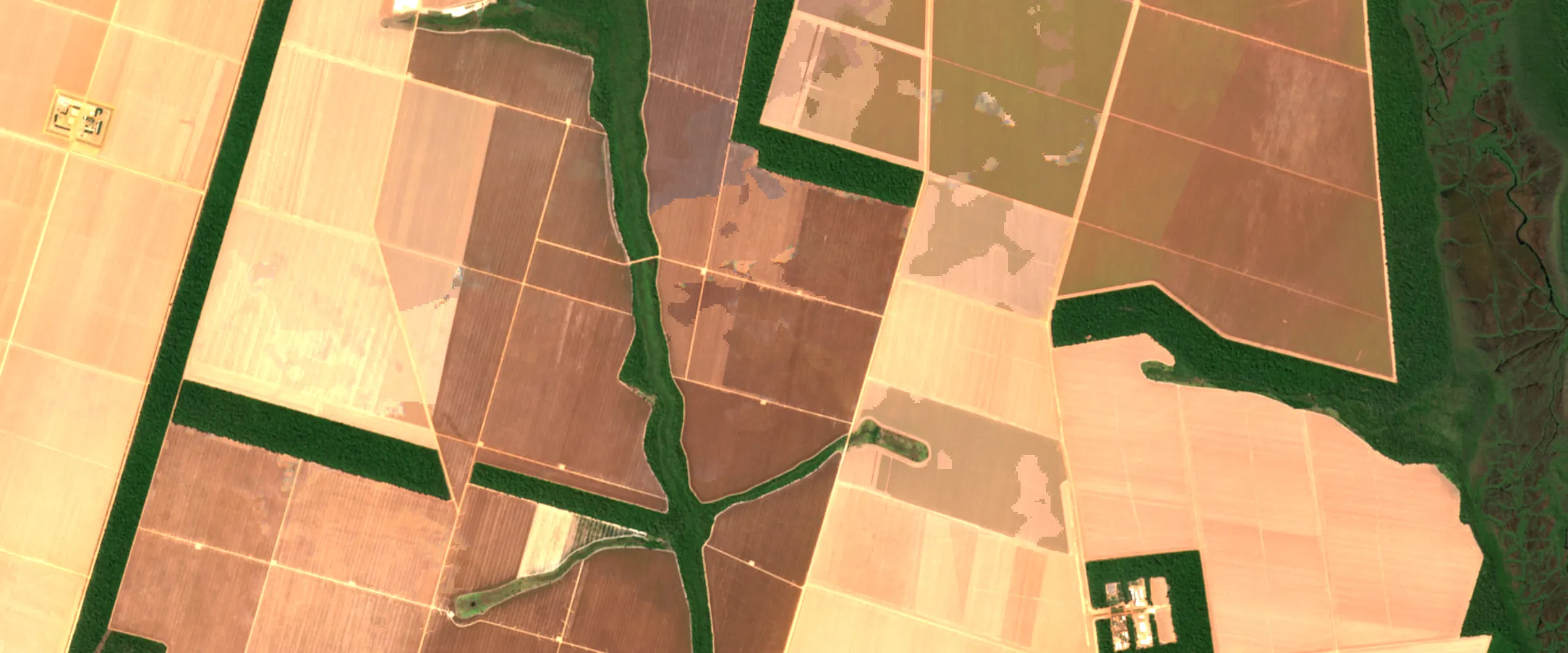
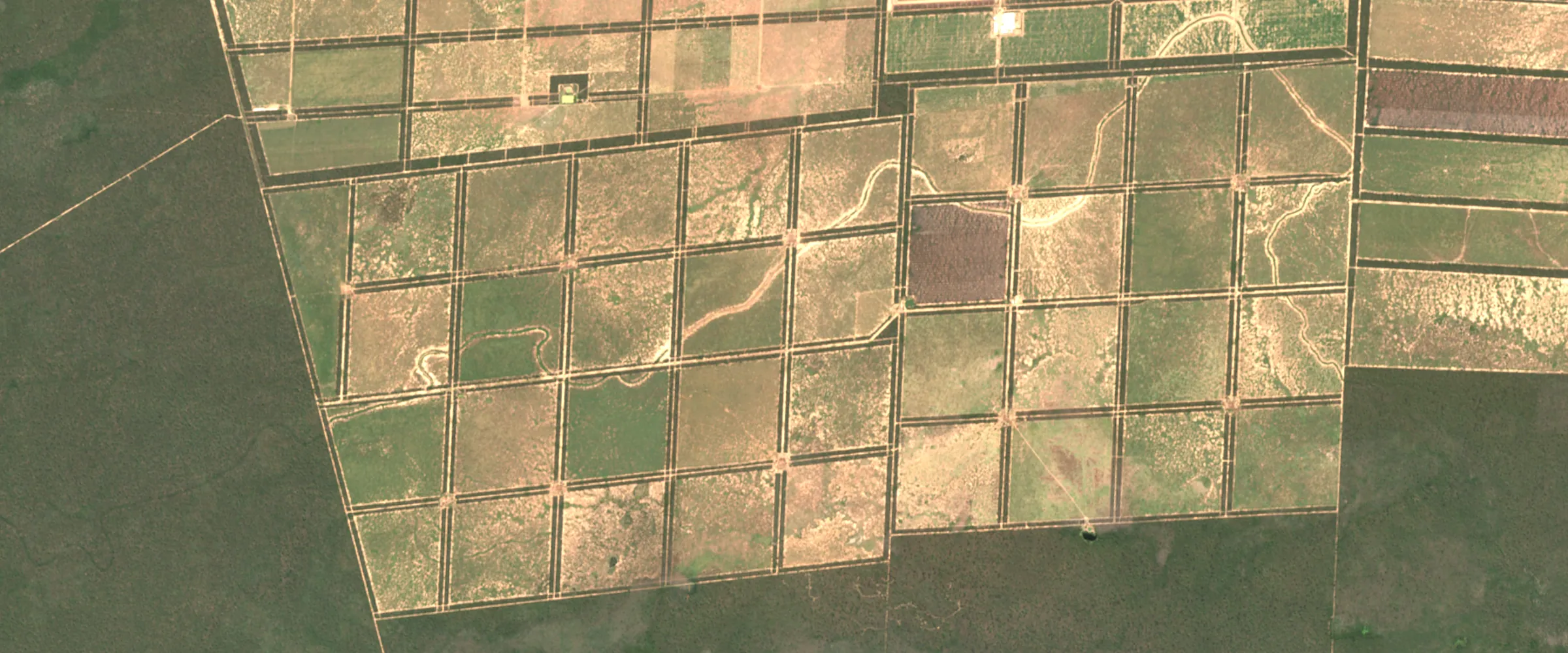
Satellite image: square paddocks cut out of dry forest, with strips of forest left between them

Cattle

Boquerón, Paraguayan Chaco: paddocks cut from dry forest, strips of forest left between them. Copernicus Sentinel-2, dry season 2025. The marks show what is declared there.

Listed in Annex I

  • 0102Live cattle
  • 0201, 0202Beef, fresh, chilled or frozen
  • 0206Edible offal: fresh, livers and other offal frozen
  • 0206 21Frozen tongues from 30 Dec 2027
  • 1602 50Prepared or preserved beef

Not listedLeather and hides (removed in 2026), dairy, buffalo and bison, cattle born before 29 June 2023.

What the EUDR asks

Location
Every farm where the animals were kept, from birth to slaughter: one point each, no outlines.
Production date
The animal's lifetime, from birth to slaughter.
Forest rule
Pasture made from forest after 2020, on any of those farms, disqualifies the animal.
Where plots get mixed
When calves move from the breeding farm to rearing and fattening farms. The last farm alone is not enough.
Covered by customs code, not by ingredient

A chocolate bar is covered. Margarine made with palm oil is not, nor a car on natural rubber tyres. Within a covered product, any amount counts.

Try , , , ,

Questions and answers

Is there a minimum amount?

No. A covered product is covered whatever its quantity or value. A tyre made of natural and synthetic rubber needs due diligence only for the natural rubber.

Are used, recycled and packaging goods covered?

Used and second-hand wood and rubber goods are not. Neither are goods made entirely from waste, recycled pulp and paper, or packaging that only carries the product it comes with.

Are trade samples covered?

No. Samples of negligible value sent only to win orders, and goods used up or destroyed in testing, are outside the Regulation.

Is a commodity grown in the EU covered?

Yes. Wood from a Swedish forest or beef from an Irish farm needs the same due diligence as an import.