The EU Deforestation Regulation (EUDR) explained.
What it asks, who it applies to, and by when.
Why EUDR exists
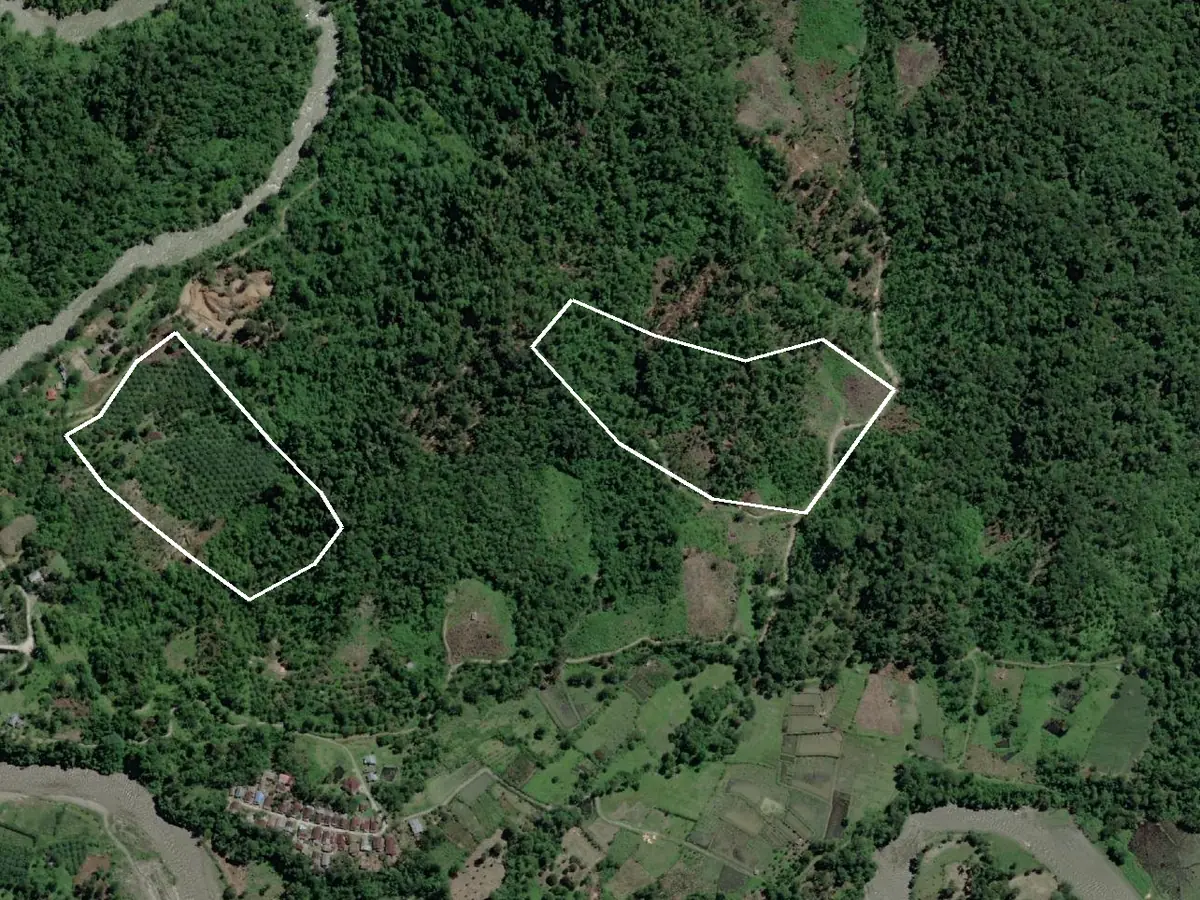
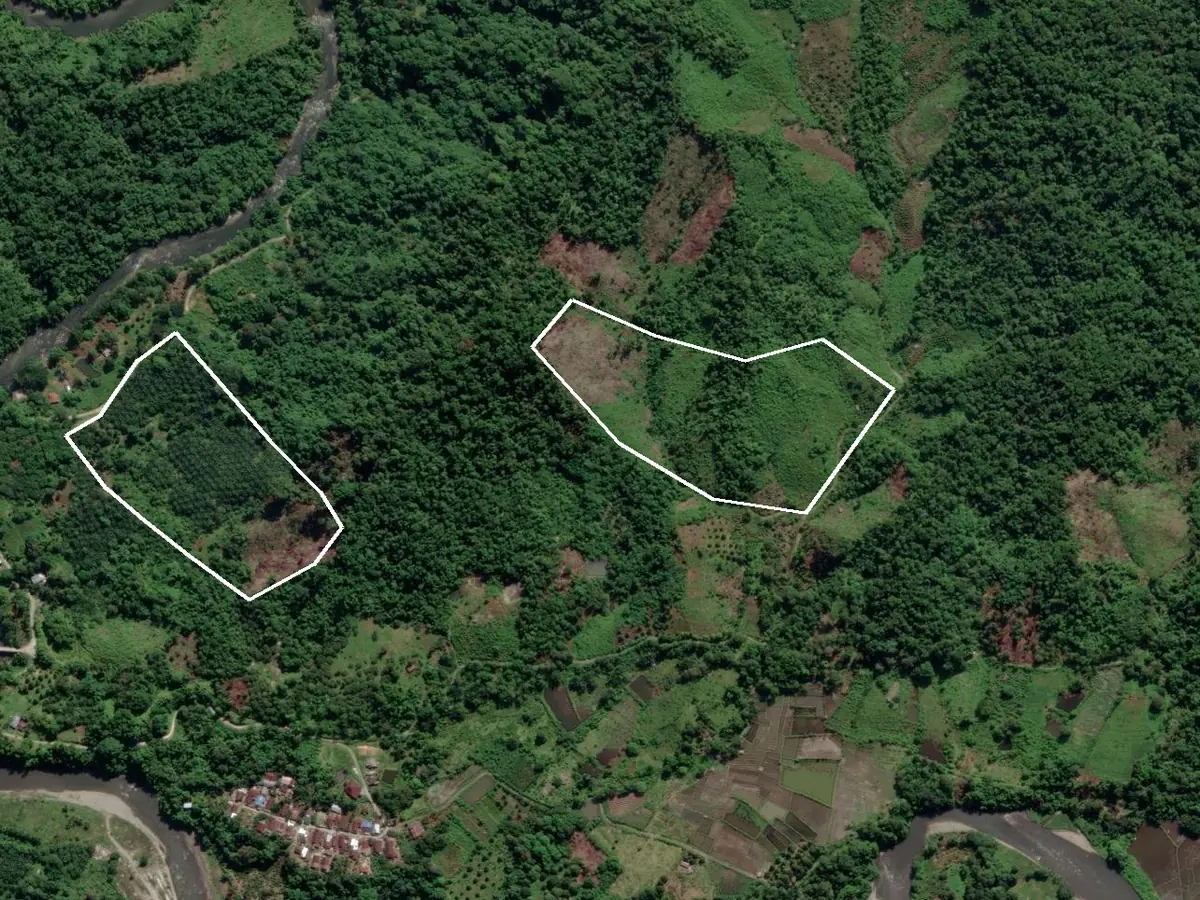
Forests are cleared for farmland and pasture, often far from where the crops are sold. The EUDR makes the company bringing these goods into the EU check what happened on their land.
- 420 million ha
- of forest lost worldwide from 1990 to 2020, an area larger than the EU.
- Almost 90%
- of global deforestation is driven by farming and grazing.
- 10%
- of the world's deforestation linked to goods was driven by EU consumption, 1990 to 2008.
Figures from recitals 2, 16 and 18 of Regulation (EU) 2023/1115.
What the EU asks
The EUDR covers cattle, cocoa, coffee, oil palm, rubber, soya, wood and listed products from them. Before they are sold in the EU or exported, their land must meet three conditions. See covered products
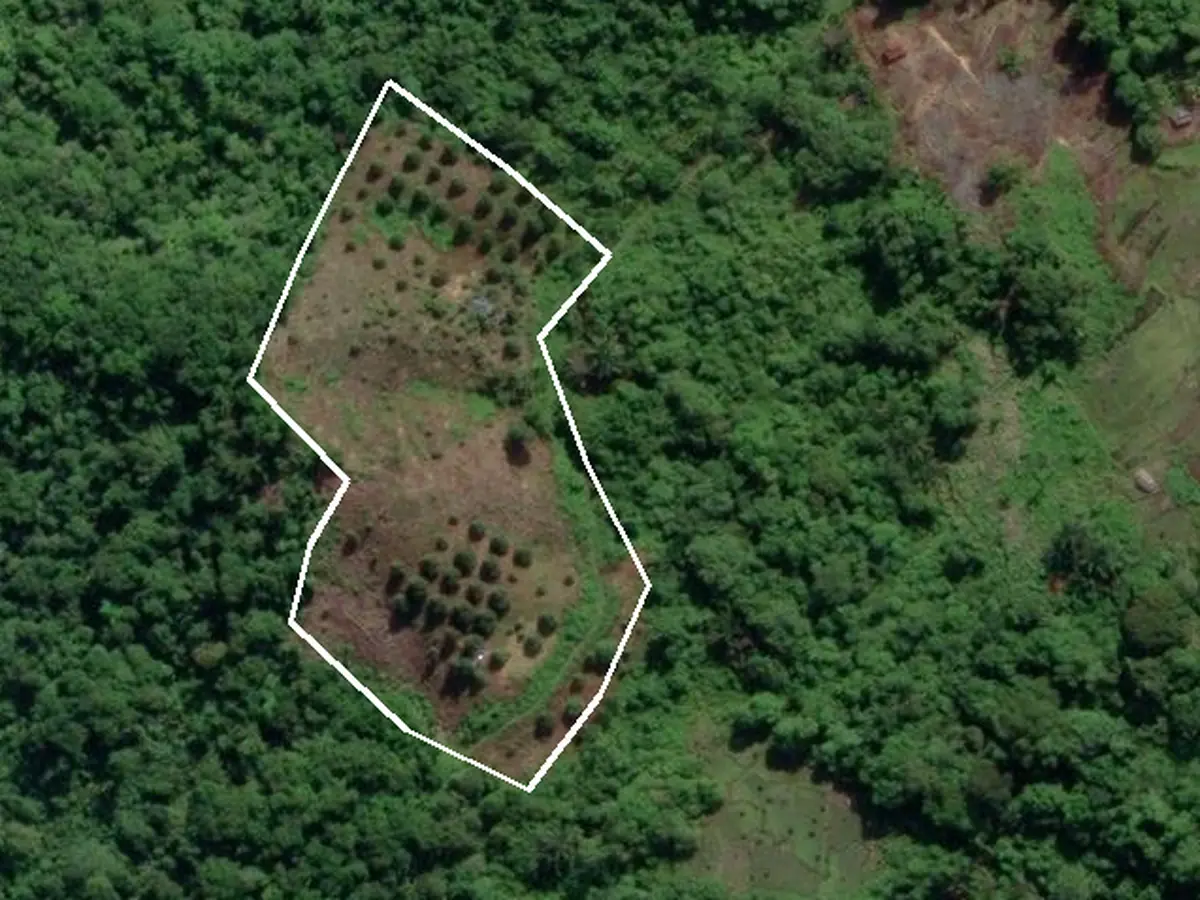
 -2.481480, 120.394353
Forest on the EU map, end of 2020
Sungai Lima GrowersLuwu Timur, IndonesiaIndonesian law appliesLabour and human rightsthe people who farm itLand use rightswho may use this plotEnvironment and forest rulesthe forest around it
-2.481480, 120.394353
Forest on the EU map, end of 2020
Sungai Lima GrowersLuwu Timur, IndonesiaIndonesian law appliesLabour and human rightsthe people who farm itLand use rightswho may use this plotEnvironment and forest rulesthe forest around it
Who it applies to
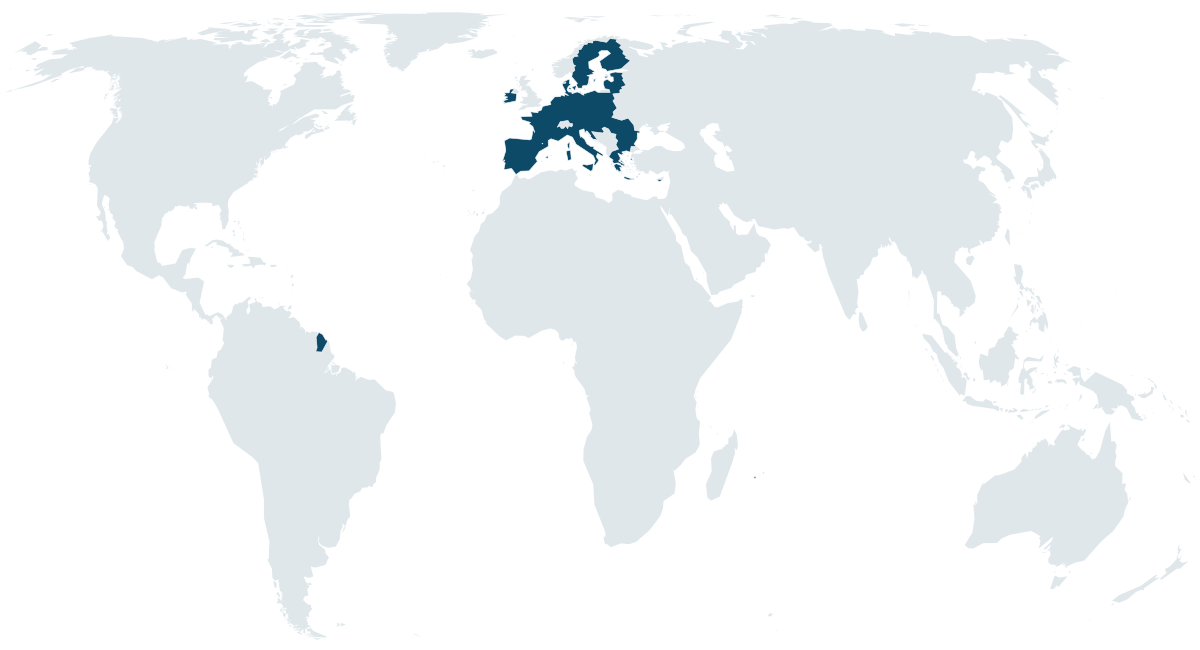
The EUDR covers goods grown anywhere in the world. The duties start where the goods enter the EU market, and the company that brings them in does most of the work.
 Cocoa, Sulawesi
Producer
Grows the crop, outside the EU. No duties, unless it sells into the EU itself.
Operator
Brings the goods into the EU, for example an importer. Before selling them, it:
- Collects the farm locations
- Assesses the risk
- Reduces any risk it finds
- Files a due diligence statement
Downstream companies and traders
Process the goods or sell them on in the EU. They keep their suppliers, customers and statement numbers for five years.
Map: Natural Earth.
By when
- 31 Dec 2020
The cutoff. Goods from land cleared of forest after this day cannot be sold in the EU.
- 30 Dec 2026
Rules start for large and medium companies, micro and small ones set up after 2024, and wood already under the EU Timber Regulation.
- 30 Jun 2027
Rules start for micro and small companies set up by the end of 2024.
Company size follows the EU accounting thresholds and is that of the company with the duty, not its suppliers. Regulation (EU) 2023/1115, as amended by Regulation (EU) 2025/2650.
Questions and answers
What counts as deforestation?
Turning forest into farmland or pasture after 31 December 2020. Forest means land of more than half a hectare with trees over 5 metres tall and more than 10% canopy cover, that is not mainly farmland or town. For wood, the harvest must also not have degraded the forest.
Do I need the outline of each plot, or one point?
Plots over 4 hectares need their outline. For smaller plots, one point is enough. Coordinates use six decimal places. For cattle, one point for each farm where the animals were kept.
What does a country's risk level change?
The Commission rates countries as low, standard or high risk. If everything comes from low-risk countries, the work is simpler: you still collect the information, but a full risk assessment is only needed if there are concerns. Authorities also check companies more often when goods come from higher-risk countries.
Does a certification scheme cover it?
Not on its own. A certification can help your risk assessment as far as it covers the information the law asks for, but you still carry out due diligence and remain responsible.
What happens if a company doesn't comply?
Each EU country sets its penalties. For a company, the highest fine must be at least 4% of its yearly EU turnover. The goods and the revenue from them can also be confiscated.